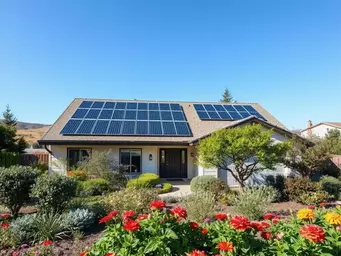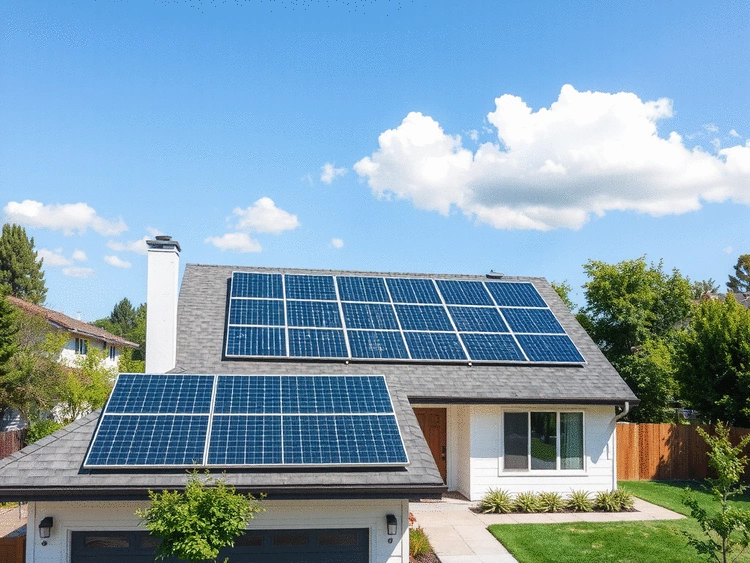

Thinking about transitioning to solar energy? It's not just about saving on your utility bills—it's also about contributing to a cleaner future. Many homeowners in Pleasant Hill and Crescent Park are taking advantage of local solar incentives that make this shift not only possible but affordable. Let's explore the key insights you can gain from understanding these incentives.
What You Will Learn
- Understanding local solar incentives can significantly reduce the initial costs of installation.
- Federal tax credits allow homeowners to deduct a significant percentage of their solar installation costs from their taxes.
- State and local programs like PACE and HERO provide flexible financing options, making solar more accessible.
- Community solar programs enable those without suitable roofs to benefit from solar energy through shared investments.
Local Solar Incentives Overview: Pleasant Hill & Crescent Park
Explore the key types of local solar incentives available to residents, designed to make solar adoption more affordable and accessible.
Federal Solar Investment Tax Credit (ITC)
Deduct a significant percentage (up to 26%) of solar installation costs from federal taxes.
State & Local Programs (PACE, HERO, CAFIRST)
Flexible financing and additional support for solar adoption.
California Solar Rebate Programs
Cash back from local utilities like PG&E for qualifying systems.
Community Solar Programs
Benefits of solar energy for renters or homeowners without suitable roofs through shared solar farms.
Understanding Local Solar Incentives in Pleasant Hill, Crescent Park
As a resident of Pleasant Hill or Crescent Park, you might be wondering how to make the leap to solar energy. One of the most significant factors to consider is the local solar incentives available to you. These incentives can greatly ease the transition to solar by reducing costs and making solar energy a practical choice for homeowners.
Local solar incentives refer to various programs, rebates, and tax credits offered by federal, state, or local agencies to encourage the adoption of solar energy. They are specifically designed to help homeowners offset installation costs, making renewable energy more accessible for everyone. Understanding these incentives is crucial for anyone looking to invest in solar solutions!
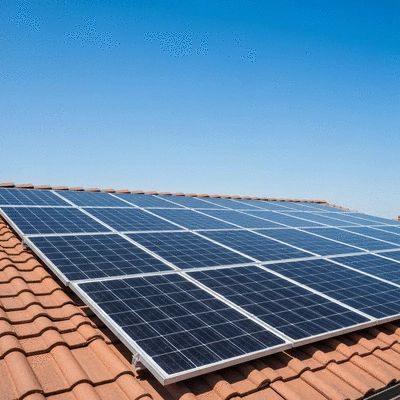
What Are Local Solar Incentives?
Local solar incentives include a range of financial benefits aimed at promoting solar energy adoption. They can vary from tax credits, rebates, to low-interest financing options. These incentives are pivotal in helping residents lower their upfront costs and can lead to significant long-term savings on energy bills.
- Tax Credits: Reduce your taxable income based on the cost of your solar installation.
- Rebates: Cash payments offered by local utilities or government programs to subsidize installation costs.
- Financing Options: Low-interest loans that make it easier for homeowners to invest in solar technology.
By taking advantage of these incentives, you’ll not only reduce your initial investment but also contribute to a cleaner, more sustainable future for our community.
The Importance of Solar Incentives for Residents
Solar incentives play a crucial role in reducing the financial burden associated with solar installations. They significantly lower the upfront costs, making solar energy a viable option for more homeowners in Pleasant Hill. Without these incentives, many would find it challenging to make the switch to renewable energy.
- Increased affordability: Financial incentives help homeowners manage installation costs.
- Encouraged adoption: More residents can transition to solar energy, promoting environmental sustainability.
- Long-term savings: Reduced energy bills lead to substantial savings over time.
Ultimately, these incentives not only foster a cleaner environment but also enhance your financial well-being by lowering your energy expenses!
Types of Local Solar Incentives in Pleasant Hill
Now that we understand what solar incentives are and their importance, let's explore the specific types available to residents in Pleasant Hill.
Federal Solar Investment Tax Credit (ITC)
The Federal Solar Investment Tax Credit (ITC) is a powerful incentive that allows homeowners to deduct a significant percentage of their solar installation costs from their federal taxes. As of now, this can mean savings of up to 26% of the installation cost! It's important to check the eligibility criteria and ensure that you fill out the application correctly to maximize your savings.
- Eligibility: Homeowners must own their solar system to qualify.
- Application Process: Complete IRS Form 5695 when filing taxes.
- Potential Savings: Calculate your savings based on the total installation costs.
Taking advantage of the ITC can significantly impact your overall investment in solar energy, making it an essential consideration for homeowners.
State and Local Incentive Programs
Along with the federal ITC, California offers several state and local incentive programs that further support solar adoption. Programs like PACE (Property Assessed Clean Energy), HERO, and CaliforniaFIRST provide additional financing options to help make solar installations more affordable. For more information on local solar permitting processes, you can visit the City of Pleasant Hill's SolarApp for Solar Installers page.
- PACE: Allows homeowners to finance solar systems through property taxes.
- HERO: Provides financing for energy-efficient upgrades, including solar.
- CaliforniaFIRST: Offers low-interest loans for solar projects.
These programs provide flexible financing solutions, making solar installations accessible for more residents in Pleasant Hill. Additionally, there are low-income solar programs available in California to further assist eligible households.
Property Assessed Clean Energy (PACE) Financing
Property Assessed Clean Energy (PACE) financing allows homeowners to finance solar installations through property tax assessments. This means that payments are made through your property taxes rather than upfront, making it easier for homeowners to manage cash flow. Additionally, the financing is tied to the property, meaning if you sell your home, the new owner takes over the payments!
Benefits of PACE financing include:
- Low-interest rates
- Flexible repayment terms
- Ability to transfer the loan to new homeowners
PACE is a great option for homeowners looking to invest in solar without the immediate financial strain.

California Solar Rebate Programs
California’s local utilities, including PG&E, offer rebate programs to encourage solar energy adoption. These rebates can provide cash back based on the size of your solar installation, further reducing your overall costs. It’s essential to check with your local utility for the latest rebate amounts and application processes. You can find more details on PG&E's solar incentives and programs.
- Cash Rebates: Available for qualifying systems installed.
- Application Steps: Complete necessary forms and submit proof of installation.
- Rebate Limits: Check for any caps or limits on rebate amounts.
These rebates can make a substantial difference in your solar investment, helping you save even more!
Exploring Community Solar Programs
Community solar initiatives allow residents who may not have the ability to install solar panels on their own homes to benefit from solar energy. These programs enable customers to invest in or subscribe to a solar farm, receiving credits on their utility bills for the energy produced.
- Accessibility: Ideal for renters or those without suitable roofs.
- Shared Savings: Cost-effective way to enjoy solar benefits.
- Community Engagement: Join with neighbors to support renewable energy.
Community solar programs are a fantastic way for everyone in Pleasant Hill to get involved in the solar movement, regardless of their living situation!
Pro Tip
Did you know? Research local solar incentives thoroughly to maximize your savings! Different programs may offer varying benefits, and combining them can significantly reduce your overall installation costs. Don't hesitate to ask local contractors for guidance on which incentives you qualify for!
Frequently Asked Questions About Solar Incentives
- Q: What is the Federal Solar Investment Tax Credit (ITC)?
- A: The Federal Solar Investment Tax Credit (ITC) allows homeowners to deduct a significant percentage (up to 26%) of their solar installation costs from their federal taxes, making solar energy more affordable.
- Q: How do state and local programs like PACE and HERO help with solar adoption?
- A: State and local programs such as PACE (Property Assessed Clean Energy) and HERO provide flexible financing options, including low-interest loans and payments through property taxes, to make solar installations accessible to more homeowners.
- Q: Can I get cash back for installing solar panels?
- A: Yes, California Solar Rebate Programs, offered by local utilities like PG&E, can provide cash back for qualifying solar systems, further reducing your overall installation costs.
- Q: What are Community Solar Programs?
- A: Community Solar Programs allow residents who cannot install solar panels on their own homes (e.g., renters or those with unsuitable roofs) to benefit from solar energy by investing in or subscribing to a shared solar farm and receiving credits on their utility bills.
- Q: Why are solar incentives important for residents?
- A: Solar incentives are crucial because they significantly lower the upfront costs of solar installations, making renewable energy more affordable and encouraging more homeowners to transition to solar, leading to long-term savings and environmental benefits.
Making the Most of Solar Incentives in Your Community
Here in Pleasant Hill, local solar incentives can significantly transform your energy landscape. By taking advantage of these programs, residents can enjoy lower upfront costs, making solar adoption not just a dream but a reality. These incentives often lead to increased accessibility, encouraging more homeowners to explore renewable energy options.
It's important to recognize how these incentives can enhance financial savings and promote energy independence. With a bit of research and guidance, you can fully leverage these benefits to reduce your energy bills and contribute to a more sustainable community.
- Lower installation costs through state and federal incentives
- Access to financing options that fit your budget
- Eligibility for rebates from local utilities
- Opportunities to participate in community solar programs
These incentives work together to create an environment where adopting solar energy is not only feasible but also advantageous. By engaging with local resources, you can maximize these benefits!
Call to Action for Interested Homeowners
If you're considering making the switch to solar, now is the perfect time to take action! I encourage you to reach out to local solar companies for personalized quotes and advice tailored to your specific needs. At Contra Costa Solar, we’re committed to helping you navigate the available options and find the right solution for your home.
Don’t hesitate to ask questions or express any concerns you may have; a knowledgeable contractor can help clarify any confusion. Getting started on your solar journey can lead to significant long-term savings and environmental benefits!
Stay Informed About Future Solar Developments
Finally, I invite you to subscribe for updates on new incentives and solar-related news in Pleasant Hill. Staying informed about the latest developments can help you make the best decisions for your solar investment. At Contra Costa Solar, we strive to keep our community in the loop about essential updates that impact solar energy adoption.
Join us on this journey toward a sustainable future and ensure you're always ahead of the curve. Let's work together to make Pleasant Hill a shining example of renewable energy success!
Recap of Key Points
Here is a quick recap of the important points discussed in the article:
- Local solar incentives, such as tax credits and rebates, significantly reduce the costs of solar installation.
- The Federal Solar Investment Tax Credit (ITC) allows homeowners to deduct a percentage of installation costs from their federal taxes, potentially saving up to 26%.
- California offers various state and local programs, like PACE and HERO, to provide flexible financing options for solar projects.
- Community solar programs enable those unable to install panels on their own homes to still benefit from solar energy.
- Engaging with local resources and understanding available incentives can lead to significant long-term savings and contribute to environmental sustainability.