
As we navigate the landscape of renewable energy, it’s crucial to understand the financial avenues available to homeowners considering solar. What if you could reduce your energy costs while contributing to a more sustainable future? Let’s explore the key insights into solar incentives that can make this possible!
What You Will Learn
- Solar incentives can significantly lower the upfront costs of solar panel installations.
- Understanding the California Solar Initiative (CSI) can provide cash rebates and support local solar projects.
- Renewable Energy Certificates (RECs) can enhance your savings by allowing you to sell the environmental benefits of your solar power production.
- Staying informed about upcoming changes to federal incentives is crucial for maximizing your investment in solar energy.
Key Solar Incentive Changes and Benefits
This visual highlights the main benefits of solar incentives and upcoming changes to the Investment Tax Credit (ITC).
Financial Benefits of Solar
- ✓ Reduce Utility Bills
- ✓ Increase Property Value
- ✓ Long-term Savings
- ✓ Access Incentives
Upcoming ITC Changes (by 2026)
30%
(Current ITC)
Expected Decrease
(Phase-down of residential solar credit)
California Solar Initiative (CSI)
- ✓ Cash Rebates
- ✓ Promotes Local Projects
- ✓ Supports Equity
Significantly reduces installation costs.
Renewable Energy Certificates (RECs)
- ✓ Represents Environmental Benefits
- ✓ Can Be Sold/Traded
- ✓ Offsets Installation Costs
Adds value beyond energy savings.
Understanding Solar Incentives in Pleasant Hill, Contra Costa County
When it comes to switching to solar energy, understanding solar incentives is crucial for homeowners in Pleasant Hill. These incentives can significantly reduce the costs associated with solar panel installation. But what exactly are they, and why do they matter? Let's dive into the details!
Solar incentives are financial mechanisms provided by government entities to encourage the adoption of renewable energy. They can come in the form of tax credits, rebates, or grants. By taking advantage of these incentives, you can lower your upfront investment, making solar energy more accessible and affordable for everyone.
What Are Solar Incentives and Why Do They Matter?
Solar incentives are designed to promote clean energy solutions, and they play a significant role in helping homeowners make the switch to solar. In Contra Costa County, these incentives can greatly impact your decision-making process. Here are a few reasons why they matter:
- They lower the initial cost of solar installations.
- They enhance your return on investment (ROI) over time.
- They contribute to a cleaner environment by promoting renewable energy.
- They help stimulate local economic growth through job creation in the solar industry.
By understanding these incentives, you can make an informed choice about your solar investment. It’s not just about saving money; it's also about making a positive impact on the environment!
Exploring the Financial Benefits of Solar Energy
Transitioning to solar energy isn’t just an eco-friendly decision; it’s also a smart financial choice. Many homeowners in Pleasant Hill have seen significant savings on their electricity bills after installing solar panels. Here are some of the financial benefits you can expect:
- Immediate reduction in monthly utility bills.
- Potential increase in property value.
- Long-term savings on energy costs as utility rates rise.
- Access to various local and federal incentives that reduce installation costs.
These benefits not only help you save in the short term but also create a long-lasting positive impact on your budget! At Contra Costa Solar, we’re dedicated to helping you navigate these financial advantages.
How the California Solar Initiative Supports Local Residents
The California Solar Initiative (CSI) is a key program that has been implemented to support residents in adopting solar energy. This initiative offers various incentives, ensuring that solar energy is both accessible and affordable. Here’s what you need to know:
- It provides cash rebates for solar installations.
- It encourages local solar projects, supporting community development.
- It aims to promote equity in solar adoption by offering resources for low-income households.
Participating in the CSI can significantly reduce your solar installation costs and empower you to contribute to a more sustainable future. If you have questions about how to leverage this initiative, feel free to reach out to us at Contra Costa Solar. We're here to guide you through the process!
Pro Tip
Did you know? Taking the time to research local contractors who specialize in solar installations can significantly enhance your experience. Look for contractors with strong community ties and positive reviews to ensure you receive quality service and support throughout your solar journey.
Making an Informed Decision About Solar Incentives
As you consider transitioning to solar energy, it’s crucial to understand the various solar incentives available and how they can impact your savings. With the right information, you can make an informed decision that aligns with your financial goals and sustainability aspirations. I encourage every homeowner to take advantage of these tools and resources—they’re designed to make your journey smoother!

Interactive Tools for Comparing Incentives and Savings
One of the best ways to grasp the benefits of solar incentives is by utilizing interactive tools that compare various options. These tools allow you to input your specific energy needs and financial situation, giving you a tailored analysis of potential savings. Here are a few notable resources:
- PVWatts Calculator: This tool estimates your solar system's production and potential savings based on your location.
- EnergySage: A platform that compares quotes from local solar installers and provides insights on financing options.
- Solar-Estimate.org: Offers a comprehensive breakdown of costs, rebates, and long-term savings.
Using these tools can provide clarity on what to expect financially, helping you visualize your solar journey from the start! Plus, they can guide you in selecting the best incentives for your circumstances.
Understanding Upcoming Changes: What to Expect by 2026
Staying informed about future changes to solar incentives can significantly impact your decision-making process. The solar landscape is evolving, especially with initiatives aiming to phase out certain benefits. By 2026, the federal Investment Tax Credit (ITC) is expected to gradually decrease from the current 30% to a lower percentage. Here’s a quick look at what might change:
- Phase-down of the ITC for residential solar installations.
- Possible adjustments to state-level rebate programs.
- Emerging local initiatives that could replace or enhance existing incentives.
Keeping an eye on these changes is essential. It allows you to capitalize on current incentives before they are altered or diminished. Knowledge is power, especially when it comes to your investment in solar energy!
What Homeowners Need to Know About Renewable Energy Certificates (RECs)
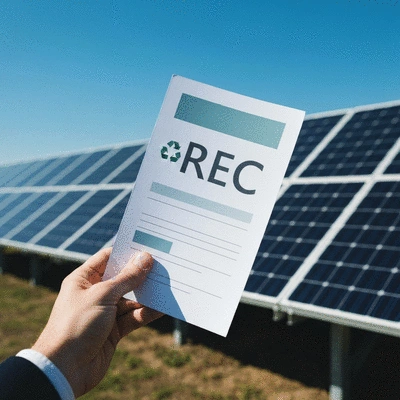
Renewable Energy Certificates (RECs) play a vital role in the solar energy ecosystem. When you install solar panels, you not only generate power but also earn RECs that can be sold or traded. Here's what you need to keep in mind:
- What are RECs? They represent the environmental benefits of your solar energy production, which can be sold to utilities or companies needing to meet renewable energy targets.
- How do they provide value? Selling RECs can help offset your installation costs or enhance your overall savings.
- Local considerations: Some states have specific regulations regarding RECs, so it's important to check how they apply in Contra Costa County.
Understanding RECs can open doors to additional benefits beyond just energy savings. It’s one more reason to embrace solar energy in your home!
Frequently Asked Questions (FAQs)
- What are solar incentives?
- Solar incentives are financial mechanisms provided by government entities (federal, state, or local) to encourage the adoption of solar energy. These can include tax credits, rebates, and grants, designed to reduce the upfront cost of solar panel installation.
- How does the California Solar Initiative (CSI) help homeowners?
- The CSI is a program that offers cash rebates for solar installations and promotes local solar projects. It also supports equity in solar adoption by providing resources, including low-income solar programs, to make solar energy accessible and affordable for a wider range of residents. Further details can be found on the California Energy Commission’s website and the California Public Utilities Commission (CPUC).
- What are Renewable Energy Certificates (RECs)?
- RECs are market-based instruments that represent the environmental benefits of generating one megawatt-hour (MWh) of electricity from a renewable energy source. Homeowners with solar panels can earn RECs and sell or trade them, providing an additional revenue stream that can offset installation costs.
- What is the Investment Tax Credit (ITC), and how is it changing?
- The ITC is a federal tax credit for residential and commercial solar systems. Currently, it offers a 30% tax credit for eligible installations. However, it is expected to gradually decrease by 2026, meaning homeowners should plan to take advantage of the current rate while it's available.
- Are there local incentives available in Pleasant Hill, Contra Costa County?
- Yes, in addition to state and federal programs, local initiatives such as the Property Assessed Clean Energy (PACE) Program can help homeowners finance solar projects. It is always recommended to check with local authorities and solar experts for specific programs in your area.
Next Steps for Homeowners in Pleasant Hill
Now that you're equipped with knowledge about solar incentives, it’s time to take action!
Assessing Your Eligibility for Various Programs
Before diving into the solar installation process, I recommend assessing your eligibility for the various programs discussed. Start by checking the requirements for federal, state, and local incentives. Many homeowners qualify for multiple programs, and knowing your options can lead to significant savings. Consider exploring programs like the Property Assessed Clean Energy (PACE) Program in Pleasant Hill, which can help finance clean energy upgrades.
How to Start Your Solar Journey: Key Takeaways and Resources
Starting your solar journey can feel overwhelming, but I assure you, it doesn’t have to be! Here are some key takeaways:
- Research available incentives thoroughly to maximize your savings.
- Utilize interactive tools to compare options and understand potential savings.
- Consult local solar experts, like those at Contra Costa Solar, who can provide personalized guidance.
Remember, every bit of information counts as you embark on this exciting transition to renewable energy!
Exploring Financing Options for Your Solar Project
Finally, it’s essential to explore financing options that suit your budget and financial goals. Whether you’re considering a solar loan, lease, or purchasing your system outright, understanding the implications of each will empower you to make the best choice. Here’s a brief overview:
- Solar Loans: Allow you to own your system and benefit from incentives and savings.
- Leases: Provide immediate access to solar energy with little to no upfront costs, though you may miss out on some incentives.
- Cash Purchase: Offers the most long-term savings and benefits, but requires a larger initial investment.
At Contra Costa Solar, we’re here to help you navigate these options to ensure you find a financing solution that aligns with your needs. Let's make your solar dream a reality!
Recap of Key Points
Here is a quick recap of the important points discussed in the article:
- Solar incentives significantly reduce the costs of solar panel installation, making renewable energy more accessible.
- Taking advantage of incentives can lower initial costs and enhance long-term return on investment (ROI).
- The California Solar Initiative (CSI) provides cash rebates and promotes equity in solar adoption for local residents.
- Using interactive tools can help homeowners compare solar options and understand potential savings.
- Staying informed about upcoming changes to solar incentives is crucial for maximizing benefits before they decrease.
- Renewable Energy Certificates (RECs) offer additional financial benefits by representing the environmental impact of solar energy production.