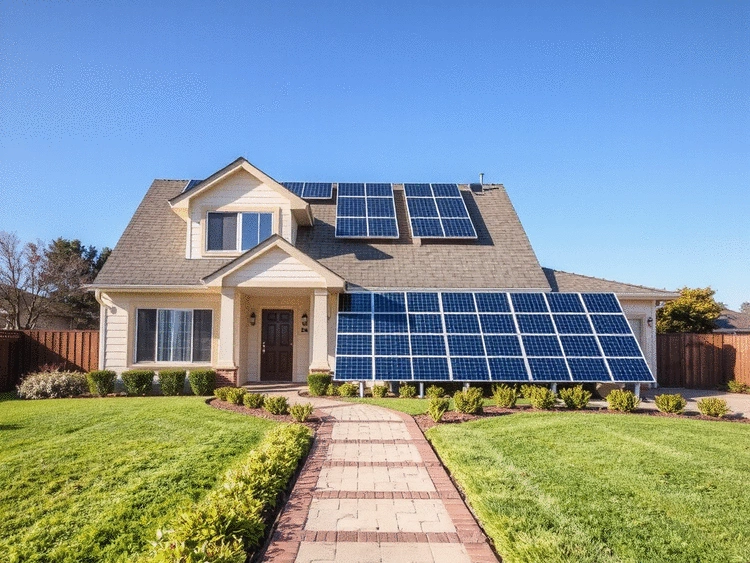

What if you could cut down your electricity bills while also making a positive impact on the environment? Solar power loans provide a pathway for homeowners in Brentwood to invest in renewable energy without breaking the bank. Understanding these financing options not only empowers you but also paves the way for a sustainable future.
What You Will Learn
- How solar financing helps reduce upfront costs of solar panel installation.
- Different types of solar loans, leases, and Power Purchase Agreements (PPAs) available to homeowners.
- The benefits of bundling solar loans with battery storage financing for enhanced energy independence.
- Practical steps to apply for solar loans, including necessary documentation and lender selection.
- Insights on solar tax credits and how they significantly lower the overall cost of your solar investment.
Solar Financing Options & Their Core Differences
There are multiple ways to finance a solar energy system. This comparison highlights the key distinctions between solar loans, leases, and Power Purchase Agreements (PPAs) to help you understand which option might best suit your needs.
Solar Loans
- You own the system.
- Can claim tax credits.
- Build equity in your home.
Allows ownership and access to incentives and potential property value increase.
Leases
- You use the system.
- Fixed monthly payments.
- Do not own the system.
Benefit from solar without ownership, but miss out on tax credits and equity.
Power Purchase Agreements (PPAs)
- Pay for power generated.
- No upfront cost.
- No ownership benefits.
Lower monthly payments based on energy usage, with no ownership responsibilities.
Key Advantage: Tax Credits
The federal solar tax credit allows you to deduct a significant percentage of your solar installation costs from your federal taxes.
Example: A $20,000 system with a 26% credit can save you $5,200 on your tax return, significantly reducing overall costs.
Understanding Solar Power Loans in Brentwood, Contra Costa County
In today's world, the conversation around solar energy is more relevant than ever. With rising utility costs and increasing environmental concerns, solar power loans have become a vital resource for homeowners in Brentwood. By opting for solar financing, you not only invest in renewable energy but also potentially save money on your electric bills!
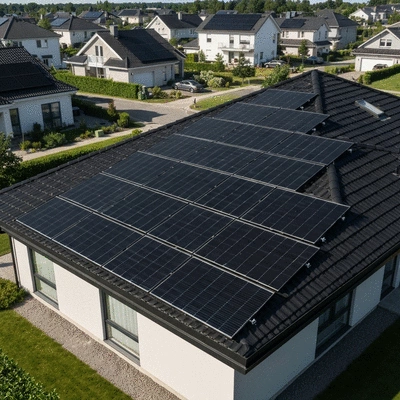
As a renewable energy advocate, I’ve seen firsthand how these loans can empower residents to make the switch to cleaner energy. The financial support provided through solar loans makes it easier to adopt solar technologies without emptying your wallet. Let’s dive into why solar financing matters for homeowners.
Why Solar Financing Matters for Homeowners
- Helps mitigate high upfront costs associated with solar panel installation.
- Provides access to incentives and rebates that can further reduce expenses.
- Allows for energy independence by harnessing sunlight for your power needs.
The financial burden of installing solar panels can deter many homeowners. However, with solar financing, you can take advantage of affordable monthly payments while enjoying the benefits of solar energy. This means you can avoid high upfront costs while making a positive environmental impact!
Types of Solar Loans Available
When exploring your options for solar financing, it's essential to understand the different types of loans available. Here’s a breakdown:
- Solar Loans: These are standard loans specifically for solar energy systems. They often have competitive interest rates.
- Leases: With a solar lease, you pay a fixed monthly payment to use the solar system without owning it.
- Power Purchase Agreements (PPAs): Under PPAs, you pay for the power generated by the system at a set rate, which can be lower than your current utility rate.
Each financing option has its own pros and cons. For example, while solar loans allow you to own your system and benefit from tax credits, leases and PPAs can provide immediate savings without the need for upfront investment. It’s crucial to evaluate which option aligns best with your financial strategy.
Solar Loans vs. Leases vs. PPAs
Understanding the differences between these financing options can help you make an informed decision. Below is a quick comparison:
- Solar Loans: You own the system, can claim tax credits, and build equity.
- Leases: You benefit from solar energy without ownership but miss out on incentives.
- PPAs: Lower monthly payments based on energy usage, but no ownership benefits.
Ultimately, choosing the right option depends on your financial situation and energy goals. The right financing plan can lead to substantial savings and a cleaner lifestyle!
Overview of Battery Storage Financing
In addition to solar loans, incorporating battery storage financing can maximize your energy independence. Battery storage systems store excess energy produced during the day for use at night or during outages. Bundling financing for both solar installations and battery storage can enhance the overall efficiency of your energy system.
Understanding how these two systems work together can help you make the most of your investment. By financing both simultaneously, you can often navigate better deals and incentives that benefit your overall energy strategy!
The Role of Renewable Energy Financing in Solar Projects
Renewable energy financing plays a critical role in supporting solar panel installation and energy efficiency improvements. Programs that finance renewable energy projects often come with attractive terms and benefits that can lower your overall costs. In fact, many states offer various financial assistance opportunities for energy-related initiatives, including solar power. For specific details on available loan programs, you can refer to resources such as the Missouri Department of Natural Resources' energy loan programs.
- Access to low-interest rates through specialized renewable energy loans.
- Opportunities for homeowners to unlock incentives that further reduce expenses.
- Support from local organizations like Contra Costa Solar to help navigate financing options.
With my experience at Contra Costa Solar, I’ve seen how these financing options can empower homeowners to make educated decisions about switching to solar energy. By understanding the landscape of solar financing, you can take a significant step towards energy independence and sustainability!
Pro Tip
Did you know? When applying for a solar loan, consider including energy efficiency upgrades in your financing plan. By enhancing your home's energy efficiency, you can lower your overall energy consumption, which may result in even greater savings on your utility bills. Plus, many lenders are willing to finance these improvements alongside your solar installation!
Practical Steps to Apply for Solar Loans
The Application Process Explained
Applying for a solar loan might feel overwhelming, but it doesn't have to be! Here’s a simple step-by-step guide to help you navigate the process with confidence:
- Gather Necessary Documentation: You'll need your credit report, proof of income, tax returns, and information on your current energy usage.
- Choose a Lender: Research local lenders like California Coast Credit Union and Redwood Credit Union to find the best rates and terms that suit your needs.
- Complete the Application: Fill out the application form either online or in person. Make sure to provide accurate information to avoid delays.
- Submit Additional Documentation: If the lender requests more information, respond promptly to keep your application moving forward.
- Review Loan Offers: Once approved, compare loan offers carefully, focusing on interest rates, terms, and any associated fees.
- Finalize Your Loan: Once you've selected a loan, finalize the details and prepare to start your solar journey!
Following these steps can help you feel more in control of your solar financing journey. If you have questions along the way, feel free to reach out to us at Contra Costa Solar. We're here to help every step of the way! For homeowners in Brentwood, specific guidelines for solar permit applications are available through the city's community development services.

Real-Life Scenarios and Expected Outcomes
Understanding what your solar loan might look like in practice can make the decision easier. Let’s look at a couple of examples:
- Scenario 1: A homeowner opts for a 5 kW solar system costing $15,000 financed over 10 years at 5% APR. Monthly payments would be about $159, potentially saving the homeowner around $1,200 annually on electricity bills.
- Scenario 2: Another homeowner decides on a larger 10 kW system for $30,000, financed over 20 years at 4% APR. Monthly payments would be about $182, with estimated annual savings of $2,400 on energy costs.
These scenarios show how solar financing can lead to significant long-term savings and help offset the initial investment. Knowing these numbers can empower you to make informed decisions about your energy future!
Using Solar Financing Calculators for Accurate Estimates
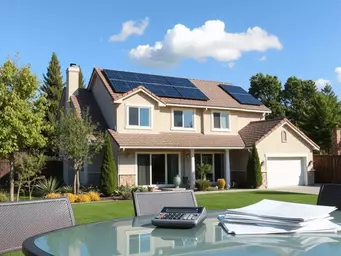
One of the best tools to gauge your potential solar loan is a solar financing calculator. These handy calculators allow you to input different variables to see how they affect your loan costs and savings. Here's how they can help:
- Estimate Monthly Payments: Enter your loan amount, interest rate, and term to get a clear picture of what your monthly payments might be.
- Calculate Savings: Compare your estimated monthly electric bill savings against your loan payments to see the overall financial benefit.
- Explore Different Scenarios: Adjust the system size, interest rates, and loan terms to find the best fit for your budget.
Using these calculators can demystify the financial aspect of solar loans, helping you feel more confident in your choices. Plus, it’s a great way to visualize how solar energy can lead to a more sustainable future for your home!
Frequently Asked Questions About Solar Power Loans
- What is a solar power loan?
- A solar power loan is a financing option that allows homeowners to borrow money to cover the upfront costs of installing a solar energy system. This enables them to own the system and benefit from incentives like tax credits.
- How do solar loans differ from leases and PPAs?
- With a solar loan, you own the system, can claim tax credits, and build equity in your home. Solar leases allow you to use the system with fixed monthly payments but you don't own it. Power Purchase Agreements (PPAs) involve paying for the power generated at a set rate, without ownership benefits.
- Can I bundle battery storage financing with my solar loan?
- Yes, you can often bundle financing for battery storage systems with your solar installation. This can enhance your energy independence by storing excess solar energy for use at night or during outages, and may offer better overall deals and incentives.
- What documents do I need to apply for a solar loan?
- Typically, you will need your credit report, proof of income, tax returns, and information on your current energy usage. Lenders may request additional documentation during the application process.
- How do solar tax credits impact the cost of solar financing?
- The federal solar tax credit allows you to deduct a significant percentage (e.g., 26%) of your solar installation costs from your federal taxes. This can substantially reduce the overall cost of your solar loan, making solar energy more affordable.
- What if I have bad credit, can I still get a solar loan?
- Even with a less-than-perfect credit score, options for solar loans may still be available. Many lenders consider factors beyond just credit scores, such as income and payment history, and some offer programs specifically for those with lower credit scores. It's advisable to discuss your situation directly with lenders.
- How do I choose the right loan term for my solar loan?
- Choosing the right loan term depends on your financial situation and goals. Shorter terms usually mean higher monthly payments but lower overall interest. Longer terms offer lower monthly payments but may result in more interest paid over time. Consider what monthly payment you can comfortably afford.
What if I have Bad Credit?
If your credit score isn’t perfect, don’t worry! There are still options available for securing a solar loan. Many lenders consider factors beyond just the credit score, such as your income and payment history. Some lenders even offer programs specifically tailored for those with less-than-perfect credit. It’s always worth discussing your situation with a lender who understands the local market.
Which Loan Term is Right for Me?
Choosing the right loan term can significantly impact your monthly payments and overall cost. Here are a few things to consider:
- Shorter Terms: Typically have higher monthly payments but lower overall interest costs.
- Longer Terms: Lower monthly payments but may result in paying more in interest over time.
- Your Budget: Determine what monthly payment you can comfortably afford without stretching your finances.
Ultimately, the right term depends on your financial situation and goals. Take the time to evaluate what's best for you!
Understanding Solar Tax Credits and Their Impact on Financing
One of the most exciting aspects of financing solar energy is the availability of tax credits. The federal solar tax credit allows you to deduct a significant percentage of your solar installation costs from your federal taxes. For example, a 26% credit means that if you install a $20,000 solar system, you could claim $5,200 on your tax return!
These credits can dramatically reduce the overall cost of your solar loan, making it a more affordable investment. Remember to consult with a tax professional to understand how these credits apply to your personal financial situation!
Recap of Key Points
Here is a quick recap of the important points discussed in the article:
- Solar financing helps homeowners mitigate high upfront costs associated with solar panel installation.
- There are various types of solar loans, including standard loans, leases, and Power Purchase Agreements (PPAs), each with unique benefits.
- Understanding the differences between solar loans, leases, and PPAs is crucial for making informed financial decisions.
- Incorporating battery storage financing can enhance energy independence and overall system efficiency.
- The application process for solar loans involves gathering documentation, choosing a lender, and reviewing loan offers carefully.
- Utilizing solar financing calculators can help estimate monthly payments and potential savings, making the financial aspect clearer.
- Tax credits can significantly reduce the overall cost of your solar loan, making solar energy more affordable.