
As the solar energy landscape evolves, understanding the available financial incentives can significantly impact your investment. With recent updates in Antioch, it's essential to be aware of how these incentives can benefit you. Let's dive into what you will learn about maximizing your solar energy savings!
What You Will Learn
- The three main tiers of solar incentives: local, state, and federal, and their distinct roles in supporting solar adoption.
- How the Federal Solar Tax Credit allows homeowners to deduct a significant percentage of installation costs from their federal taxes.
- Recent updates to rebate programs that include higher amounts based on system size and lower income thresholds for qualifying homeowners.
- Eligibility criteria for solar incentives in Antioch, focusing on homeownership status and income qualifications.
- The differences in solar rebate programs offered by local utility providers PG&E and MCE, and how to choose the best fit for your needs.
Antioch Solar Incentives Overview
Antioch residents benefit from a structured approach to solar adoption, leveraging incentives across federal, state, and local tiers. These programs are designed to reduce installation costs, enhance energy efficiency, and promote long-term savings through renewable energy.
Federal Solar Tax Credit
Allows homeowners to deduct a significant percentage of solar installation costs from federal taxes, offering a direct financial benefit.
California Solar Initiative
Provides cash rebates for solar energy systems, encouraging energy efficiency and reducing upfront costs for state residents.
Local Municipality Incentives
Antioch may offer additional rebates or funding programs specific to local residents to further promote solar adoption.
Net Metering Program
Allows homeowners to receive credits for excess energy generated, offsetting future electricity costs and enhancing savings.
Current Solar Rebate Landscape in Antioch, Contra Costa County
If you’re considering making the switch to solar energy, you might be wondering about the financial incentives available to you. In Antioch, we have a variety of solar incentives that can significantly reduce the cost of installation and improve your long-term savings. Understanding these incentives is crucial to maximizing your investment in solar energy.
There are primarily three tiers of incentives to explore: local, state, and federal programs. Each of these plays a unique role in supporting solar adoption among homeowners. Tax credits, rebates, and financing options are all part of the broader incentive landscape that can help make solar energy more accessible.
Understanding the Types of Solar Incentives Available
- Federal Solar Tax Credit: This allows you to deduct a significant percentage of your solar installation costs from your federal taxes. More information on this can be found on the IRS website regarding the Residential Clean Energy Credit.
- California Solar Initiative: This program provides cash rebates for solar energy systems installed in residential properties.
- Local Municipality Incentives: Antioch may offer additional rebates or funding programs to encourage solar adoption.
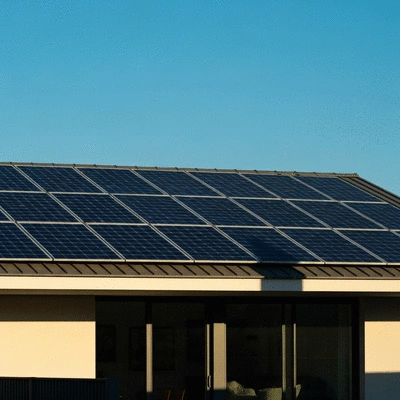
These incentives are designed to reduce installation costs and make solar a viable option for more residents. By leveraging these opportunities, homeowners can achieve substantial savings and make a positive impact on the environment.
California Solar Incentives and Their Impact on Homeowners
California is leading the way in solar energy adoption, and Antioch residents are reaping the benefits! The state has various incentives that support homeowners in their transition to solar power. For instance, the California Solar Initiative not only lowers initial costs but also encourages energy efficiency.
Moreover, residents can enjoy net metering, which allows them to receive credits for any excess energy their solar systems generate. This means you could offset future energy costs, making solar energy even more appealing!
What’s New This Season: Recent Updates on Solar Rebates
This season brings exciting updates for those considering solar energy in Antioch. Recently, the California Public Utilities Commission announced enhancements to existing rebate programs aimed at increasing accessibility for residents. These changes include expanded eligibility requirements and increased rebate amounts.
- Higher rebate amounts based on system size
- Lower income thresholds for income-qualifying homeowners
- Extended deadlines for application submissions
These updates not only create more opportunities for savings but also reflect the state’s commitment to increasing renewable energy usage. Stay informed, as these changes could greatly impact your decision to switch to solar!
Eligibility Criteria for Solar Incentives in Antioch
Understanding who qualifies for these solar rebate programs is just as important as knowing about them! There are specific eligibility criteria that homeowners in Antioch need to be aware of to take advantage of these incentives.
Generally, eligibility depends on factors such as homeownership status, income qualifications, and whether your property meets certain criteria set by local programs. Further details on energy-related federal financial assistance programs can be found on the Energy.gov website.
Who Can Benefit from the Solar Rebate Programs?
Homeownership is a primary requirement for most solar rebate programs. Additionally, many incentives have income thresholds. Here’s what you should keep in mind:
- Homeowners must reside in the property where the solar system will be installed.
- Income qualifications may vary; some programs prioritize low-to-moderate-income households.
- Properties must meet certain zoning and building codes to qualify.
These criteria ensure that the benefits of solar energy are accessible to those who need it most. If you meet these requirements, you could be on your way to significant savings!
Utility-Specific Eligibility: PG&E vs MCE Programs
In Antioch, the two main utility providers—PG&E and MCE (Marin Clean Energy)—offer different solar rebate programs. Understanding these differences can help you determine which program is right for you.
- PG&E Customers: Can access specific rebates and net metering programs tailored for solar energy.
- MCE Customers: May enjoy additional benefits such as community solar programs and unique financing options.
It’s important to research the specific offerings of your utility provider to ensure you’re getting the best possible deal on your solar installation.
Local Government Energy Policies Affecting Solar Incentives
The policies set forth by the Antioch City Council and the California Public Utilities Commission have a direct impact on solar incentives available to residents. These guidelines not only shape funding for local programs but also influence the eligibility requirements and rebate amounts.
By staying updated on these policies, you can navigate the solar incentive landscape more effectively. Connecting with local authorities or organizations like Contra Costa Solar can provide additional support as you explore your options.
Pro Tip
Did you know? By combining your solar incentives with energy efficiency upgrades, such as better insulation and energy-efficient appliances, you can maximize your savings even further. Not only will this enhance your home's energy performance, but it may also qualify you for additional rebates and incentives!
Recap of Seasonal Solar Rebate Updates and Benefits
As we move through the year, it's crucial for Antioch residents to stay informed about the latest updates in solar rebate programs. The current season has brought some exciting changes that could positively impact your solar adoption journey. We’ve seen an increase in both state and federal incentives, designed to make the switch to solar energy more appealing than ever!
Here are some key updates that you should be aware of:
- Increased Rebate Amounts: Recent adjustments have raised the rebate amounts available for residential solar installations.
- Extended Eligibility: More homeowners now qualify for financial incentives, including those who previously might not have met the criteria.
- New Programs for Battery Storage: Incentives have expanded to include battery storage, providing homeowners with opportunities for greater energy independence.

These updates can significantly reduce the initial costs associated with going solar. At Contra Costa Solar, we’re dedicated to guiding you through these opportunities and ensuring you're aware of all potential benefits.
Frequently Asked Questions About Solar Incentives in Antioch
1. What are the three main tiers of solar incentives available in Antioch?
Antioch residents can benefit from federal, state, and local solar incentive programs. These tiers include tax credits, cash rebates, and specific local funding to reduce installation costs and promote solar adoption.
2. How does the Federal Solar Tax Credit work?
The Federal Solar Tax Credit allows homeowners to deduct a significant percentage of their solar installation costs from their federal taxes, providing a direct financial benefit. This credit helps make solar energy more affordable.
3. What are the recent updates to solar rebate programs in Antioch?
Recent updates include higher rebate amounts based on system size, lower income thresholds for qualifying homeowners, and extended deadlines for application submissions. These changes aim to increase accessibility and savings for residents.
4. Who is eligible for solar incentives in Antioch?
Eligibility generally depends on homeownership status, income qualifications (with some programs prioritizing low-to-moderate-income households), and whether the property meets specific zoning and building codes.
5. What are the differences between PG&E and MCE solar programs?
PG&E customers can access specific rebates and net metering programs. MCE customers, on the other hand, may enjoy additional benefits such as community solar programs and unique financing options. It's important to check the specific offerings of your utility provider.
Next Steps: Taking Action with Solar Energy Initiatives
Ready to take the next step towards a sustainable future? Consulting with local solar installers is a fantastic way to get personalized assessments tailored to your specific energy needs. They can offer insights into which incentives you qualify for and how best to maximize your savings.
To help you stay organized, we’ve created a downloadable checklist for rebate applications along with important deadlines. This will guide you through the necessary steps and ensure you don’t miss out on any savings!
Community Involvement in Solar and Environmental Programs
Community engagement plays a vital role in promoting solar energy initiatives. Local environmental activists and organizations are tirelessly working to raise awareness about renewable energy options. They host workshops and informational sessions that empower residents to make informed decisions about solar energy.
Here are some ways our community is getting involved:
- Workshops: Regularly scheduled events to educate homeowners about solar technology and available incentives.
- Advocacy: Local groups advocating for stronger policies that support renewable energy adoption.
- Partnerships: Collaborations with schools and businesses to promote sustainability initiatives.
At Contra Costa Solar, we believe that by working together, we can foster a cleaner, greener future for Antioch residents. Join us in our mission to spread awareness and make solar energy accessible to everyone!
Recap of Key Points
Here is a quick recap of the important points discussed in the article:
- Incentives Overview: Homeowners in Antioch can take advantage of federal, state, and local solar incentives to reduce installation costs.
- California Solar Initiative: This state program offers cash rebates for residential solar installations, enhancing affordability.
- Recent Updates: Enhanced rebate amounts, extended eligibility, and new programs for battery storage have been introduced to benefit homeowners.
- Eligibility Criteria: Homeownership and income qualifications are crucial for accessing solar rebate programs in Antioch.
- Utility Differences: PG&E and MCE offer different incentives, making it essential for homeowners to research their specific utility provider's programs.