
Are you ready to embrace the power of solar energy and significantly reduce your utility bills? With various financing options available, you can find a solution that fits your budget and lifestyle. Let’s uncover the key insights that can guide you in navigating the solar landscape more confidently.
What You Will Learn
- Solar Loans: Financing through loans allows you to own your solar system and enjoy benefits like tax credits and increased property value.
- Power Purchase Agreements (PPAs): A hassle-free alternative where you buy electricity from a solar provider without upfront costs or maintenance worries.
- Local Incentives: Richmond residents can benefit from programs like the Green Saver Program and PG&E rebates to reduce installation costs.
- Understanding Solar Systems: Familiarize yourself with different types of solar energy systems, including grid-tied, off-grid, and hybrid options, to choose the best fit for your needs.
Solar Financing Options & Incentives in Richmond and Marina Bay
Understanding your solar financing choices and available incentives is key to making a confident decision. This visual breaks down the main options and local programs.
Main Financing Types
Solar Loans
Own the system, benefit from tax credits & rebates. Monthly payments can be less than utility bills.
Power Purchase Agreements (PPAs)
Provider installs, you buy electricity at set rate. No upfront costs, no maintenance worries.
Leases
Fixed monthly fee for system use. Company handles setup & upkeep.
Cash Purchase
Maximize ROI, reap all ownership benefits & incentives.
Key Local Incentives
Federal Tax Credits (ITC)
As of 2023, deduct 26% of installation costs from federal taxes.
PG&E Rebates
Various incentives to lower installation costs. Check PG&E website for updates.
The Green Saver Program
Financial assistance for Richmond residents based on income. Reduces installation costs.
CA State Incentives
State tax credits and various local programs to encourage solar adoption.
Understanding Affordable Solar Financing Options in Richmond and Marina Bay
Thinking about solar energy? It’s a fantastic way to reduce your energy bills and contribute to a greener planet! At Contra Costa Solar, we believe understanding your financing options is crucial for making a confident decision. Let’s break down the different types of financing available for Richmond and Marina Bay homeowners.
What Are the Main Financing Types Available?
When it comes to financing your solar installation, you have several options to consider. Each has unique advantages that can fit different financial situations. Let’s dive into the most common financing types!
- Solar Loans
- Power Purchase Agreements (PPAs)
- Leases and Cash Purchases
Solar Loans: How They Work and Their Benefits
Solar loans are a popular choice for many homeowners. With a solar loan, you borrow money to purchase your solar system. The beauty of this option is that you own the system outright, which means you get the benefits of tax credits, rebates, and increased property value! Plus, you’ll start saving on your electricity bill right away.
Another highlight is that the monthly payments for your loan can be less than your current utility bills. This means you can enjoy a reliable payment schedule while investing in sustainable energy.

Power Purchase Agreements (PPAs): A Smart Alternative
If you prefer not to take on debt, a Power Purchase Agreement (PPA) might be the way to go. In a PPA, a solar provider installs the system on your property, and you agree to buy the electricity it generates at a predetermined rate. This can save you money on your utility bills without the upfront costs of purchasing a solar system!
One of the best parts about a PPA is that you don’t have to worry about maintenance or repairs. The provider handles everything, giving you peace of mind while enjoying clean energy.
Leases and Cash Purchases: Weighing Your Options
Another option is to lease your solar system. Similar to a PPA, leasing allows you to use solar energy without owning the system. You pay a fixed monthly fee, and the company takes care of the setup and upkeep.
On the other hand, if you can afford it, buying your solar system outright with cash is the best way to maximize your return on investment. You’ll reap all the benefits of ownership, including state and federal incentives!
Key Local Incentives and Programs for Richmond Residents
Living in Richmond comes with its perks, especially when it comes to solar energy! There are local incentives that can significantly reduce your costs. Let’s explore some programs tailored for Richmond residents.
- The Green Saver Program
- PG&E Rebates
- Federal Tax Credits
- Renewable Energy Incentives in California
The Green Saver Program: Eligibility and Benefits
The Green Saver Program offers financial assistance to Richmond residents looking to install solar energy systems. Eligibility often depends on your income level, making it a valuable resource for those who might feel overwhelmed by the upfront costs of solar. More information about local sustainability initiatives can be found on the City of Richmond's sustainability website.
Benefits of this program include reduced installation costs and access to low-interest financing options. This program is designed to make solar energy accessible for everyone in our community!

Exploring PG&E Rebates: Savings for Locals
Have you heard about PG&E's rebate programs? They offer various incentives to residents who install solar panels, resulting in significant savings! By taking advantage of these rebates, you can lower your overall installation costs.
It's important to stay updated on the latest PG&E offerings, as they often change. I recommend checking their website regularly or reaching out to us for assistance in navigating these rebates!
Federal Tax Credits: Maximizing Your Savings
Don’t miss out on federal tax credits! Homeowners who invest in solar energy can benefit from the Investment Tax Credit (ITC), which allows you to deduct a percentage of your solar installation costs from your federal taxes. This is a significant incentive that can help you maximize your savings!
As of 2023, the ITC allows for a 26% deduction on your tax return, which can make a substantial difference in your overall costs. For a comprehensive guide on solar for homeowners, refer to the U.S. Department of Energy's guide to solar for homeowners.
Understanding Renewable Energy Incentives in California
California is at the forefront of renewable energy, offering a range of incentives to encourage solar adoption. From state tax credits to various local programs, there are multiple ways to make solar energy more affordable. You can learn more about regional solar initiatives through local planning resources.
By being informed about these incentives, you can make a smart financial decision that aligns with your sustainability goals!
Exploring Solar Energy Systems: Benefits and Options
As you consider solar financing, it's essential to understand the types of solar energy systems available. Choosing the right system can affect your overall energy savings and efficiency!
- Grid-Tied Systems
- Off-Grid Systems
- Hybrid Systems
Types of Solar Energy Systems for Residential Use
Grid-tied systems are the most common, connecting directly to the utility grid. These systems allow you to draw power from the grid when needed and feed excess energy back into it. This setup can be highly efficient and cost-effective!
On the other hand, off-grid systems operate independently of the grid and are perfect for remote areas. Hybrid systems combine the best of both worlds, providing flexibility and reliability.
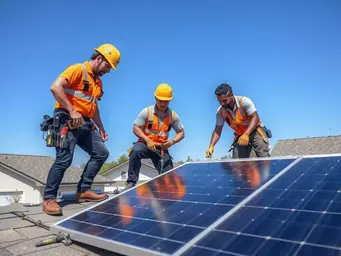
How Solar Panel Installation Works: A Step-by-Step Guide
Thinking about solar panel installation? It's a straightforward process when you have the right information! Here’s a quick overview of the steps involved:
- Assess your energy needs and roof suitability.
- Choose a financing option that fits your budget.
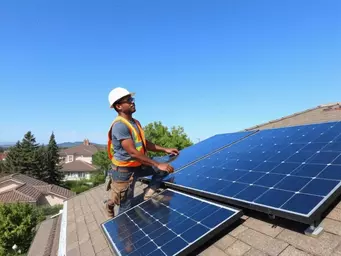
- Select a reputable contractor for installation.
- Complete the installation and connect to the grid.
- Start enjoying your savings and benefits of solar energy!
By understanding these processes, you can feel more confident in your solar journey. Remember, we’re here to help you every step of the way at Contra Costa Solar!
We Want to Hear From You!
As you consider your solar financing options, what factors are most important to you? Is it the upfront cost, the long-term savings, or perhaps the environmental benefits? Share your thoughts below:
Taking the Next Steps Towards Solar Financing
Now that you’re ready to explore solar financing options, it’s time to consider the next steps. At Contra Costa Solar, we believe that making informed choices can empower you to transition to renewable energy seamlessly. Let’s dive into how you can find the best financial solutions tailored to your needs!
Consultation Opportunities: Finding the Right Fit for You
One of the first actions you can take is to seek out consultation opportunities. Engaging with experts who understand the local market can save you both time and money. Here are some key points to consider when you're looking for the right consultation:
- Check if the contractor offers free consultations or quotes.
- Prepare your energy usage data for a more accurate assessment.
- Ask about their experience with financing options specific to Contra Costa County.
Getting a free quote not only provides insights into potential costs but also helps you understand what financing options might be available. Don’t hesitate to ask questions—this is your chance to clarify any uncertainties!
Getting a Free Quote: What Should You Prepare?
When preparing for a free quote, it’s helpful to gather some essential information:
- Your recent utility bills to assess energy usage.
- Details about your roof, including size and orientation.
- Information on any existing solar systems or energy-saving appliances.
By being well-prepared, you’ll enable the contractor to give you a more tailored solution that suits your specific energy needs.
Engaging with Local Experts: The Value of Community Knowledge
Connecting with local experts is a significant advantage in your solar financing journey. They offer insights based on community experiences and knowledge about various state incentives. At Contra Costa Solar, we partner with trusted local contractors who are eager to help you navigate the solar landscape.
Consider reaching out to them for advice! Their familiarity with local programs can be invaluable in understanding what options you have, especially if you’re new to the solar world.
FAQs on Solar Financing in Richmond and Marina Bay
As you continue to explore solar financing, you might have some questions. Let’s address a few common inquiries that many Richmond and Marina Bay residents have:
What are the main solar financing options available?
The primary solar financing options include Solar Loans, Power Purchase Agreements (PPAs), Leases, and Cash Purchases. Each offers distinct benefits, such as ownership, no upfront costs, or maximized ROI.
What local incentives are available for Richmond residents?
Richmond residents can benefit from programs like The Green Saver Program, PG&E Rebates, and Federal Tax Credits (ITC), which can significantly reduce the cost of solar installation. California also offers various state-level incentives.
How do Solar Loans differ from Power Purchase Agreements (PPAs)?
With Solar Loans, you own the solar system, benefiting from tax credits, rebates, and increased property value, often with monthly payments lower than utility bills. With PPAs, a provider installs and maintains the system, and you buy the electricity generated at a set rate, with no upfront costs or maintenance worries.
What is the Investment Tax Credit (ITC)?
The Investment Tax Credit (ITC) is a federal tax credit that allows homeowners to deduct a percentage of their solar installation costs from their federal taxes. As of 2023, this deduction is 26%.
What types of solar energy systems are available for residential use?
The main types are Grid-Tied Systems (connected to the utility grid), Off-Grid Systems (independent of the grid, ideal for remote areas), and Hybrid Systems (combining aspects of both for flexibility and reliability).
How do solar buyback programs work in Richmond?
Solar buyback programs, often referred to as net metering, allow homeowners to sell excess energy generated by their solar panels back to the grid. You receive credits for the energy produced, which can be settled annually as payment or credit towards future bills. Specific rules may vary by PG&E.
What Are the Most Common Misconceptions?
Many people mistakenly believe that solar energy is too expensive or complicated. In reality, financing options make it more accessible than ever! Here are some misconceptions:
- Solar panels are only for wealthy homeowners.
- It takes a long time to see the benefits of solar.
- Financing options are limited and complicated.
Understanding these misconceptions is crucial to making an informed decision about going solar.
Where Can I Get More Information on Local Programs?
If you’re looking for additional resources, Contra Costa Solar is a fantastic starting point! We provide comprehensive information on local programs, financing options, and incentives that can help you save on solar installations. Don't forget to check local government websites and community boards for the latest updates!
How Do Solar Buyback Programs Work in Richmond?
Many homeowners are curious about how solar buyback programs operate in Richmond. Essentially, these programs allow you to sell excess energy back to the grid. Here are some key aspects:
- Net metering: You receive credits for the energy you produce.
- Annual settlements: You can choose to receive payment or credit towards future bills.
- Local regulations: Be sure to check specific rules with PG&E as they may vary.
Understanding how these programs work can further enhance your solar investment!
Wrapping Up Your Solar Financing Journey
As you embark on your solar financing journey, remember that informed decision-making is key. By understanding your options and engaging with local experts, you can make choices that benefit both you and the environment.
Recap of Key Points
Here is a quick recap of the important points discussed in the article:
- Explore various solar financing options: Solar Loans, Power Purchase Agreements (PPAs), and Leases or Cash Purchases.
- Take advantage of local incentives like The Green Saver Program and PG&E Rebates to reduce installation costs.
- Understand the benefits of the Investment Tax Credit (ITC), which allows homeowners to deduct a percentage of their solar costs from federal taxes.
- Choose the right type of solar energy system for your needs: Grid-Tied, Off-Grid, or Hybrid Systems.
- Consult with local experts for personalized advice and to navigate available incentives effectively.