
What if your energy bills could be slashed while simultaneously making a positive impact on the environment? Understanding solar energy options might just be the key to achieving both! Dive deeper into the world of solar panels and how they can benefit your home in Lafayette and Burton Valley.
What You Will Learn
- Burton Valley's unique microclimate offers more sunny days, enhancing solar energy production potential.
- Evaluating your roof's angle, orientation, and shading is crucial for maximizing solar panel efficiency.
- Different types of solar panels—monocrystalline, polycrystalline, and thin-film—each have distinct advantages and costs.
- Understanding efficiency ratings can help you choose panels that best meet your energy needs and available space.
- Investing in photovoltaic cells not only reduces bills but also contributes to a more sustainable future.
Solar Panel Options Comparison and Key Considerations
This visual offers a comparison of different solar panel types and outlines the essential factors for a successful solar installation.
Key Factors for Solar Panel Success
1. Energy Consumption Assessment
Review monthly utility bills to determine energy usage patterns.
2. Panel Type Consideration
Evaluate monocrystalline, polycrystalline, and thin-film options.
3. Local Conditions Evaluation
Analyze roof exposure, angle, orientation, and microclimate.
4. Warranty Research
Understand lifespan and degradation rates of panel warranties.
5. Local Contractor Consultation
Engage with reputable local solar companies for guidance.
6. Energy Monitoring System
Track production and savings with real-time data after installation.
Types of Solar Panels Compared
Monocrystalline Panels
- High efficiency (15-20%+)
- Sleek appearance
- Better low-light performance
- Higher cost
Polycrystalline Panels
- Generally less expensive
- Solid ROI
- Slightly lower efficiency (13-16%)
- Less space-efficient
Thin-Film Panels
- Lightweight and flexible
- Suitable for unconventional installations
- Lowest efficiency (7-13%)
- Requires more space
PV Cell Benefits
- Reduced electric bills
- Increased home value
- Positive environmental impact
- Energy independence
Understanding Solar Panel Options for Lafayette and Burton Valley
When considering solar energy for your home in Lafayette or Burton Valley, it’s crucial to understand the various solar panel options available. With the unique characteristics of our local environment, the right choice can make all the difference in maximizing your energy savings and contributing to a sustainable future. Let’s dive into what makes solar panels ideal for our region!
Our community benefits from a specific microclimate that greatly influences solar panel performance. Understanding these local conditions helps ensure you choose a system that suits your needs perfectly, and at Contra Costa Solar, we’re here to guide you through this journey.
What Makes Solar Panels Ideal for Local Conditions?
Evaluating the Unique Microclimate of Burton Valley
Burton Valley features a delightful mix of sunshine and mild weather, making it an excellent place for solar energy solutions. The region typically enjoys more sunny days than other parts of the Bay Area, which translates into a greater potential for solar energy production.
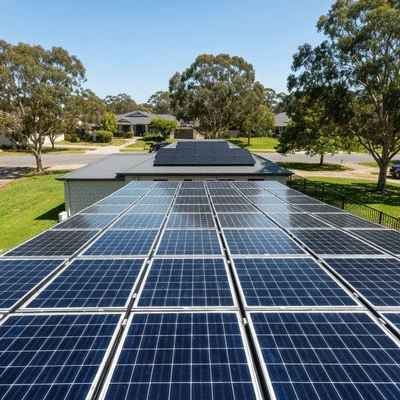
Some specific factors we consider when evaluating our microclimate include:
- Average sunlight hours per day
- Seasonal weather patterns
- Potential shade from trees or buildings
By understanding these elements, you can better anticipate the efficiency and longevity of your solar investment. Having a clear picture of how your home interacts with local climate conditions empowers you to make informed decisions. For more detailed information on solar energy in the area, you can refer to resources like the City of Lafayette's Solar Energy Guide.
Sunlight Exposure: Assessing Your Roof’s Potential
Your roof plays a crucial role in the effectiveness of a solar panel system. To maximize your investment, it’s essential to assess its angle, orientation, and shading throughout the year. South-facing roofs typically capture the most sunlight, but that doesn’t mean other orientations can’t work effectively!
Consider these factors when evaluating your roof’s solar potential:
- Roof angle and pitch
- Type of roofing materials
- Obstructions like trees, chimneys, or adjacent buildings
Doing a thorough assessment will help ensure you get the most out of your solar installation, and if you need assistance, don't hesitate to reach out! At Contra Costa Solar, we can guide you through the evaluation process to determine the best approach for your home. You can find more information on solar photovoltaic system design and optimal placement from sources like Energy.gov.
Types of Solar Panels: Choosing What’s Right for You
Comparing Monocrystalline, Polycrystalline, and Thin-Film Panels
Once you've assessed your roof and local conditions, it's time to dive into the various types of solar panels available. Understanding the differences between monocrystalline, polycrystalline, and thin-film panels can help you select the best option for your needs!
- Monocrystalline Panels: Known for their high efficiency and sleek appearance, these panels tend to perform better in low-light conditions.
- Polycrystalline Panels: Generally less expensive, polycrystalline panels are slightly less efficient but still provide a solid return on investment.
- Thin-Film Panels: These are lightweight and flexible, making them suitable for unconventional installations, but they typically have lower efficiency compared to their crystalline counterparts.
Choosing the right type of panel depends on your budget, installation space, and performance expectations. I encourage you to weigh these options carefully!
Understanding Efficiency Ratings and Performance Factors
Efficiency ratings are critical in determining how well a solar panel converts sunlight into electricity. As you compare different options, keep an eye on the efficiency percentage, which can range from around 15% to over 20% for most panels. Higher efficiency panels can generate more power in less space, which is particularly beneficial for homes with limited roof area.
Additionally, consider performance factors such as:
- Temperature coefficient
- Warranty duration
- Durability against weather conditions
Understanding these factors will help you make an informed decision and ensure you choose panels that align with your energy goals and local conditions.
Exploring the Benefits of Photovoltaic Cells in Solar Technology
Photovoltaic (PV) cells are at the heart of solar technology, converting sunlight directly into electricity. Their advancements have made solar energy more accessible and efficient than ever before. Here are some key benefits to consider:
- Reduced electric bills through renewable energy generation
- Increased home value by installing solar systems
- Positive environmental impact by decreasing carbon footprint
By investing in PV technology, you're not just enhancing your energy independence; you're also contributing to a cleaner, more sustainable future for Lafayette and Burton Valley! If you're ready to explore these options further, Contra Costa Solar is just a call away to help guide you on your journey! For more technical insights into PV cell performance, you can consult research from institutions like NREL.
Frequently Asked Questions About Solar Panels
What types of solar panels are available for homes in Lafayette and Burton Valley?
There are mainly three types: monocrystalline, polycrystalline, and thin-film panels. Monocrystalline panels offer high efficiency and a sleek look, polycrystalline panels are more cost-effective with good ROI, and thin-film panels are lightweight and flexible, suitable for unconventional installations, though less efficient.
How does Burton Valley's microclimate affect solar panel efficiency?
Burton Valley's microclimate, characterized by more sunny days compared to other Bay Area locations, significantly enhances solar energy production potential, making it an ideal location for solar installations.
What factors should I consider when assessing my roof's potential for solar panels?
Key factors include the roof's angle, orientation (south-facing is often ideal), and potential shading from trees, chimneys, or adjacent buildings. The type of roofing material also plays a role.
What are efficiency ratings, and why are they important?
Efficiency ratings indicate how well a solar panel converts sunlight into electricity, typically ranging from 15% to over 20%. Higher efficiency panels generate more power in less space, which is crucial for homes with limited roof area.
What are the main benefits of investing in photovoltaic (PV) technology for my home?
Investing in PV technology can lead to reduced electric bills, increased home value, and a positive environmental impact by reducing your carbon footprint. It also contributes to greater energy independence.
We Want to Hear From You!
As you consider your solar panel options, we’d love to know: What factors are most important to you when choosing a solar panel system? Is it efficiency, cost, or the type of panels? Share your thoughts below:
Summarizing Your Path to Solar Panel Success
As we wrap up our discussion on choosing the right solar panels for your home in Lafayette and Burton Valley, it’s crucial to recap the key considerations that will lead you to solar panel success! Understanding your unique energy needs, evaluating different types of panels, and knowing what kind of installation you prefer are all essential steps in your journey.
Remember, your choices can significantly impact not only your energy bills but also your contribution to a sustainable future. Let’s highlight the main points you should keep in mind:
- Assess your energy consumption: Look at your monthly utility bills to determine how much energy you typically use.
- Consider the type of solar panels: Each type, whether monocrystalline, polycrystalline, or thin-film, has its pros and cons.
- Evaluate local conditions: Analyze your roof’s sunlight exposure and the microclimate of your area.
- Research warranties: Pay attention to the lifespan and degradation rates of the panels you’re considering.
- Consult local contractors: Engage with reliable solar companies that can guide you through the installation process.
By keeping these points in mind, you can move confidently toward selecting the solar solution that fits your lifestyle and property best. If you have questions, don’t hesitate to reach out to us at Contra Costa Solar—we're here to help!
Next Steps: Getting Quotes and Consulting Local Installers
Once you’ve gathered all the necessary information, the next step is to get quotes from local solar providers. This is an exciting phase where you can begin to visualize your transition to solar energy! Here’s how to streamline the process:
- Research local installers: Check reviews and testimonials to find reputable contractors in Lafayette and Burton Valley.
- Request multiple quotes: Don’t settle for the first quote you receive; comparing options can help you find the best value.
- Ask for consultations: Take advantage of free consultations to discuss your energy needs and the best solutions available.
- Inquire about financing options: Understanding all available financing plans can make your solar journey more affordable.
Engaging with various local installers can ensure that you make an informed decision. Always remember to ask about their experience with similar projects and the warranties they offer. This will provide peace of mind as you invest in solar energy!
Taking Action: Get Started with Solar in Lafayette/Burton Valley
How to Request Free Quotes from Local Providers
The process of requesting quotes doesn’t have to be daunting! Start by identifying a few local solar installers—many businesses, like Contra Costa Solar, offer free consultations and quotes. Here’s a quick guide on how you can approach this:
- Visit local websites: Look for companies that specialize in solar solutions and check their offerings.
- Call or email: Reach out directly to discuss your needs and request a consultation.
- Prepare your information: Have your energy consumption data ready to help them provide a tailored quote.
This proactive approach will help you gather valuable information quickly, allowing you to compare quotes and make the best decision for your home!
Engaging with the Community: Sharing Experiences and Reviews
As you embark on your solar journey, consider sharing your experiences with others in the community. Engaging with fellow residents can provide insights that are incredibly valuable. Here’s how you can connect:
- Join local social media groups: Participate in conversations about solar energy in community forums on platforms like Facebook.
- Attend local workshops: Look for events focusing on renewable energy where you can meet experts and other solar users.
- Share your story: Whether it’s a blog post or a simple review, sharing your solar installation experience helps others in their journey!
Don't underestimate the power of community! By sharing your experiences, you can help others navigate their solar options while also gathering tips and advice from those who have walked the path before you.
Energy Monitoring Systems: Tracking Your Solar Savings
Once your solar panels are installed, it’s crucial to keep track of your energy production and savings. An energy monitoring system allows you to see how much energy you are generating and using. Here are some benefits:
- Real-time data: Monitor your energy production and consumption live.
- Identify trends: Understanding when you use the most energy can help you adjust your habits.
- Maximize savings: Keep track of how much you save on your utility bills, ensuring you’re making the most of your investment.
Implementing an energy monitoring system is a smart way to ensure your solar journey is as rewarding as possible! With tools available today, you can stay informed and make adjustments that further enhance your energy independence.
Recap of Key Points
Here is a quick recap of the important points discussed in the article:
- Assess your energy consumption: Review your utility bills to determine your energy needs.
- Consider the type of solar panels: Understand the pros and cons of monocrystalline, polycrystalline, and thin-film panels.
- Evaluate local conditions: Analyze sunlight exposure and the specific microclimate of your area for optimal performance.
- Research warranties: Look into the lifespan and degradation rates of the solar panels you are considering.
- Consult local contractors: Engage with reputable solar companies for guidance through the installation process.